Why a Thorough Carpet Mold Inspection Matters for Your Home's Health
I remember walking into a friend's basement a few years ago and smelling something off. It wasn't the usual musty basement smell, it was sharper, almost sweet. They had noticed a small water stain near the wall after a heavy storm, but figured it would dry out on its own. A few months later, that corner of the carpet felt damp to the touch, and dark patches started creeping up the baseboards. That was the moment they realized they needed a professional carpet mold inspection, and not just a quick look under the rug.
Hidden mold growth is one of those problems that can go unnoticed for months, especially when it's underneath carpeting. You might clean the surface, vacuum regularly, and even use a carpet cleaning machine, but if moisture has seeped into the padding and subfloor, you're dealing with a different beast. A proper carpet mold inspection goes beyond what your eyes and nose can detect. It's a systematic check that looks for signs of water intrusion, measures moisture levels in the padding, and identifies the type of fungal growth present. Without it, you could be living with asthma triggers and poor indoor air quality without ever knowing why your allergies have gotten worse.
What Is a Carpet Mold Inspection?
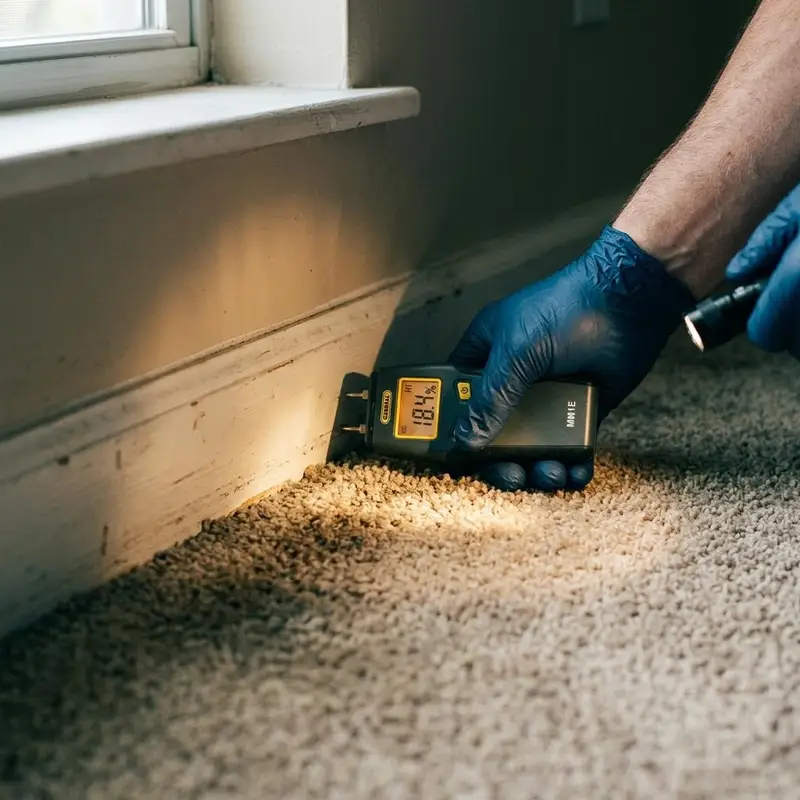
A carpet mold inspection is exactly what it sounds like, but it's more than just peeking at the surface. It involves checking the carpet fibers, the padding underneath, and the subfloor for any signs of moisture damage or mold. Professionals use tools like moisture meters and hygrometers to measure humidity levels in the room and the carpet itself. They also look for hidden mold growth, which often appears as black mold or mildew, especially in areas with high humidity or a history of basement flooding.
The goal of an inspection is to catch problems early, before they turn into a full-blown remediation project. Mold remediation can be costly and disruptive, but catching the issue during a home inspection can save you thousands. If you're buying a home or just want to keep your current one safe, a carpet mold inspection is a smart investment. It tells you whether the carpet needs to be removed and replaced, or if a thorough cleaning and better humidity control will do the trick.
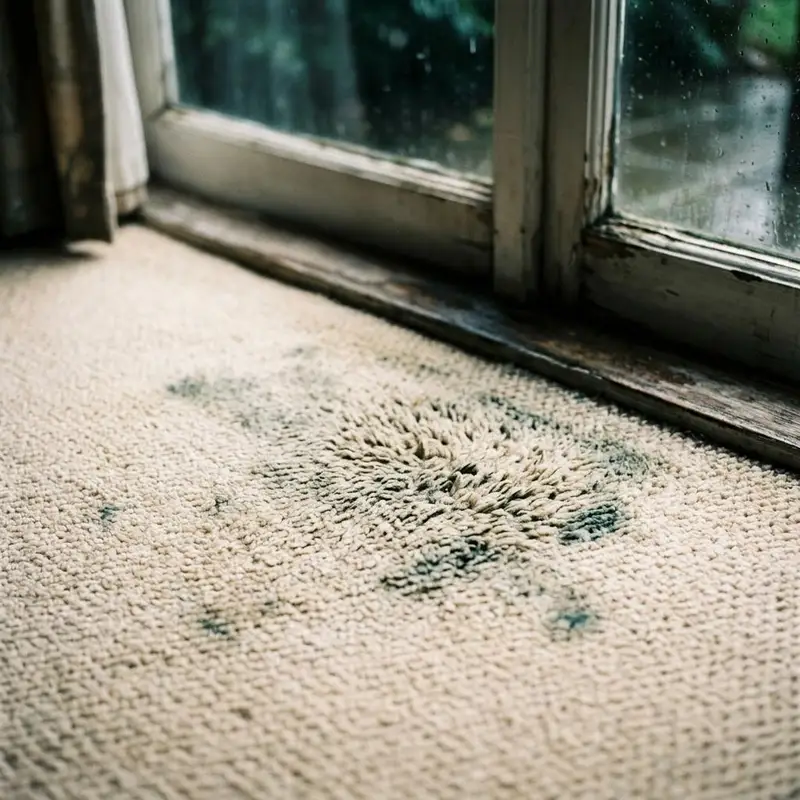
Common Causes of Mold Under Carpets
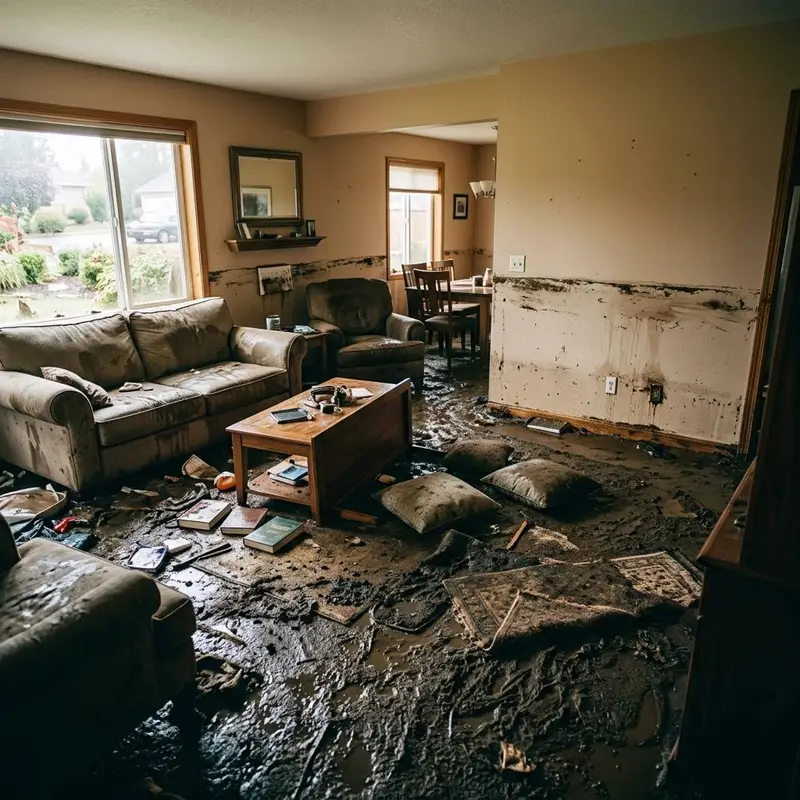
Mold needs three things to grow: moisture, warmth, and organic material. Carpet provides plenty of the last one, especially if it's made from natural fibers. The moisture usually comes from one of several sources. Leaky pipes are a classic culprit, often hidden inside walls or under floors. A slow drip can saturate the subfloor and carpet padding over weeks without anyone noticing. Basement flooding is another big one, even if the water is cleaned up quickly, the padding may stay damp for days. Water intrusion from outside, like during heavy rain or snowmelt, can also wick under the carpet from the edges.
Then there's the HVAC system. If your air conditioner or furnace has a condensation line that leaks, or if the system isn't dehumidifying properly, you can end up with high humidity levels in certain rooms. That's when mold spores, which are always present in the air, find a wet spot and start colonizing. A dehumidifier can help, but it's not a cure-all. You need to find and fix the source of moisture first, and that's where a thorough inspection comes in.
How an Inspection Works
A professional will start by talking with you about any past water issues, like a leaky pipe or basement flooding. They'll also ask about your HVAC system and whether you use a dehumidifier, especially in humid climates. Then they'll do a visual check of all carpeted areas, paying close attention to corners, edges, and spots near bathrooms or kitchens. They might use a moisture meter to test the carpet and padding in several places, looking for hidden dampness.
If they find suspicious spots, they may lift a corner of the carpet or even cut a small sample to check the padding and subfloor. This is where a professional assessment really pays off. They can tell the difference between a stain that's just dirt and one that's caused by fungal growth. They also know what to look for in terms of indoor air quality. Mold spores can become airborne, especially when you walk on the carpet, and that can trigger asthma attacks or allergic reactions in sensitive people.
When to Call for an Inspection
You don't have to wait until you see black mold to schedule a carpet mold inspection. In fact, the best time to call is before you have a visible problem. If you've had any kind of water intrusion, even a small one, it's worth getting checked. Also consider an inspection if you notice any of these signs:
- A musty or earthy smell in a room with carpet, especially after it rains.
- Discoloration or dark spots on the carpet, even if they look like stains.
- Recent basement flooding, even if you dried the surface yourself.
- Unexplained allergy symptoms or respiratory issues that get worse when you're at home.
- A history of high humidity in your area, especially if you don't use a dehumidifier.
If you're buying a home, a home inspection should include a look at the carpets, but many general inspectors aren't trained to spot hidden mold. You might need to hire a specialist who focuses on mold inspection. That specialist will follow EPA guidelines for mold assessment, which include checking for moisture sources and measuring humidity levels. They can also test for specific types of mold, like black mold, which is particularly concerning for your health.
What Happens After the Inspection?
After the inspection, you'll get a report that outlines what was found and what should be done next. If the mold is limited to the carpet surface, a thorough cleaning with a disinfectant might be enough. But if the padding or subfloor is affected, the carpet may need to be removed and replaced. In severe cases, mold remediation is necessary to remove all contaminated materials and treat the area to prevent regrowth.
The report should also include recommendations for preventing future mold. That might mean fixing a leaky pipe, improving ventilation, using an air purifier with a HEPA filter, or running a dehumidifier in the basement. Humidity control is key. Keeping indoor humidity below 60 percent, ideally between 30 and 50 percent, will make it much harder for mold to grow. An HVAC system that's well-maintained can help with that, as can a standalone dehumidifier in problem areas.
Why You Can't Skip the Professional Assessment
I've seen people try to handle carpet mold on their own with store-bought cleaners and a lot of elbow grease. Sometimes that works for surface stains. But if the mold has spread to the padding or subfloor, cleaning the surface won't solve the problem. The mold will keep growing underneath, and you'll be breathing in spores every time you walk on the carpet. A professional carpet mold inspection catches those hidden issues. It gives you a clear picture of what's really going on, so you can make an informed decision about remediation.
Another reason to get a professional assessment is that some types of mold, like black mold, can be toxic. Disturbing them without proper protective gear can release a cloud of spores into your home. That's why EPA guidelines recommend leaving mold remediation to trained pros when the affected area is larger than about ten square feet. Even for smaller patches, it's smart to have an inspection first, so you know exactly what you're dealing with.
Long-Term Benefits of Regular Inspections
If you live in an area with high humidity or have a basement that's prone to dampness, scheduling a carpet mold inspection every year or two can catch problems early. It's a lot cheaper than waiting until the mold has spread throughout the room. Regular inspections also help maintain good indoor air quality. That matters for everyone in the house, but especially for children, elderly people, and anyone with asthma or allergies.
Think of it like getting your HVAC system serviced or checking your roof for leaks. It's preventive maintenance that saves you money and stress down the road. A dehumidifier and good ventilation are your first line of defense, but they can't fix a problem that's already started. Only a thorough inspection can find the hidden mold before it becomes a major issue.
In my experience, the people who regret getting a carpet mold inspection are the ones who waited too long. They thought the musty smell would go away on its own, or that a quick carpet cleaning would fix everything. By the time they called for an inspection, the mold had already damaged the subfloor and forced a much bigger remediation job. Don't be that person. If you have carpets and any history of moisture issues, a professional assessment is worth every penny.
Ends · MYCARPETMOLDINSPECTIONFACTS